Display event – POWERCast: IBM i Modernization – Strategies for Success

As technology evolves, IBM i systems are becoming difficult to maintain and inflexible to meet changing business needs. Many organizations are embarking on IBM i transformation and application modernization as part of a broader digital transformation strategy. However, IBM i modernization can be a complex, risky, expensive and lengthy process, involving a range of challenges such as cost, complexity, skills gaps, and risk of data loss.

In this webinar, our experts will provide an overview of the main challenges of IBM i modernization and discuss best practices for addressing them. We will cover topics such as developing a clear modernization strategy, addressing legacy applications and skills gaps, mitigating the risk of data loss during migration, and overcoming resistance to change. This webinar is designed for IT professionals who are responsible for IBM i systems and are considering modernization.

Since September 2021, Richard has been Vice President and CTO for Kyndryl’s Core Enterprise and zCloud Practice focusing on IBM Z and IBM i technologies and how Kyndryl’s customers can expand their adoption of new technologies on these platforms, including integrating with Hyperscalers. 

Prior to this Richard was with IBM for 36 years where he held a number of Executive positions in IBM Global Technology Services and IBM Software Group. Where, among other roles he was the Development Executive responsible for the WebSphere Application Server; CICS; COBOL/PLI/RPG/HLASM compilers and IDE’s.

Richard holds an Honours BSc in Computing and Data Processing from Bradford University (UK) and is a Fellow of the British Computer Society (FBCS).

Why Upgrade Your IBM i OS

Upgrading your software operating system can seem like an overwhelming task. Your current system likely works fine, or well enough, and a software upgrade would mean a temporary disruption to your business, not to mention probable weekend work as you launch and monitor the go-live. So why is it so important to update your operating system?

Staying on IBM Support

As IBM creates new operating systems, they sunset support for the older ones. Staying on IBM Support ensures that you and your business have access to technical support and knowledge to keep your software functioning, whether that be access to product fixes or seeking the help of IBM’s support professionals.

New Features and Functionality

With every new release comes significant enhancements to the Operating System. Each OS level includes firmware updates which allow for performance increases and system patches. Often, this includes DB2 enhancements making your machines more capable for your needs and constructing a more user-friendly environment.

Security

As hackers become more skilled, security continues to stay at the forefront of IT concerns. Knowing this, IBM is continuously enhancing security standings for their software. With each new release, IBM offers patches to security vulnerabilities that were open on previous systems and also implements new prevention measures to thwart ransomware attacks from penetrating the system. 

Reduce Cost

One of the largest reasons companies choose to not update their operating system is cost. Companies follow the mantra of “if it ain’t broke, don’t fix it” and while that’s generally a good rule, it doesn’t translate well to technology. Periodic updates to IT software and hardware are responsible actions to helping ensure your system can stay reliably running. Not giving your software the appropriate tools needed to stay running raises your technological debt which will eventually translate into actual cost. 

With every new OS release, your system’s functional value decreases and its technical liability increases. 

While your system may be working for you now, the price you will need to pay to maintain of fix an older OS jumps exponentially as IBM drops support.

Extended Service Extension for software maintenance by IBM is offered at a higher rate than the more current versions. By not maintaining current levels of support, you are creating a larger future spend, than if you made incremental software updates.

Reduce Risk

Staying up-to-date not only reduces your cost, but will also likely reduce your risk as you can take advantage of the released Tech Refreshes. And, as your system moves through software support, you will also likely be making necessary updates to hardware and applications as you ensure everything can complement each other. This means that your system as a whole, will be updated, secure, and operating to the best of it’s abilities – something that will translate to the company overall. 

On the flip side, old software or hardware may mean that when it does come time to upgrade one or the other (or both!) your cost will be that much higher as you pay to upgrade your software, hardware, and sometimes software again as you work your way through the years of missed opportunities. 

If you’re running old software or old hardware, now is the perfect time to update and get back on track.


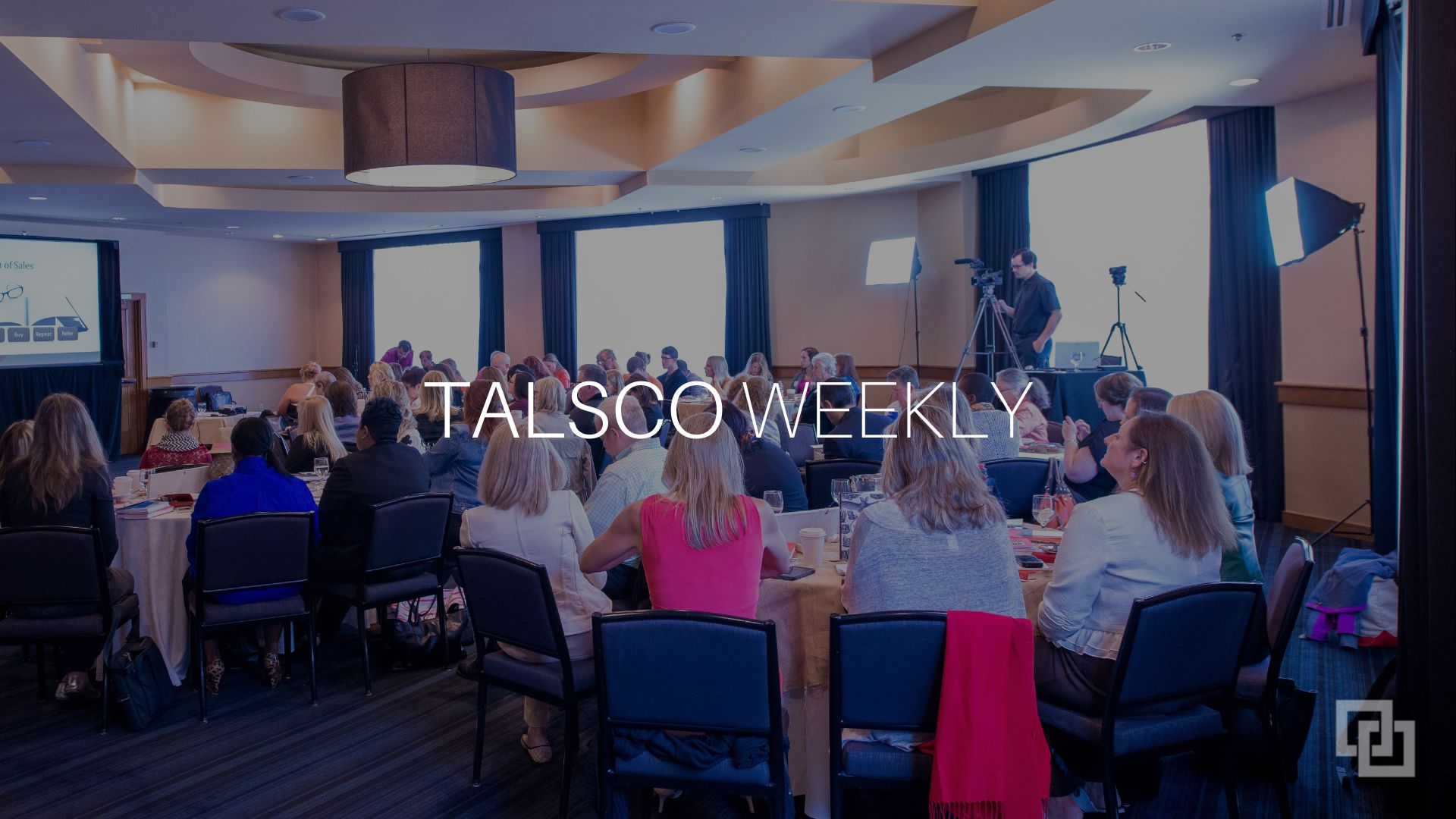
Talsco Weekly: When is the last time you attended an IBM i user group meeting?

Welcome to another edition of Talsco Weekly

Learning:  Best Resources to learn Node.js.
AI:  The Regulation of AI Use Cases.
Training:  When is the last time you attended an IBM i user group meeting?
RPG:  RPG Use Is Skyrocketing.

Learning

Best Resources to learn Node js

This post on Reddit caught my eye.

RPG Developers:

What would you do if your manager gave you a project and required you to use either Node.js or Python?

If you picked Node.js, here is a list of resources to get you started.

AI

The Regulation of AI Use Cases

“AI is at the forefront of people’s minds, with organizations scrambling to figure out how to take advantage of the latest developments, and governments are eyeing the work being done, technology companies are cautious about where it may lead us.”

The primary concern: Can regulation be used to keep pace with the developments?

With any new technology, there can be a great deal of concern as to how it will impact society, let alone any given market.

AI is one of those technologies.

This article touches on the ethics behind the use of AI and is an important read for everyone.

Training

When is the last time you attended an IBM i user group meeting?

If your answer is “more than three years ago” then you are missing out.

What has taken place in the IBM i and Power Systems communities over the course of the last several years is incredible.

A transition is taking place.

IT leaders, business users, and executives are realizing that, in many cases, modernizing and web-enabling RPG-based business applications offer the best ROI, without causing business disruption.

Did you know that there are RPG developers who use modern RPG, Javascript, Node.js, REST, and Typescript to create robust, fully-featured, browser-based business applications?

We work with companies that leverage the IBM i platform all over the US doing just this.

Here is an example of the requirements we routinely see:

7 or more years of IBM i (AS400), RPG Full Life Cycle development experience in a RPG, ILE, Free Form, SQL, and RDi
Experience with technologies such as XML, Javascript, and Node.js is highly desired
Experience with JSON, RESTful, API, and web services
Curiosity and a desire to do new things is required for this role

As the saying goes:

You don’t know what you don’t know.

You might be asking, “How can I get that experience if my company is not giving me the chance to use any of these tools or languages?”

Answer: Find a way to get to training.

There are any number of IBM i user groups located throughout the United States.

In fact, one of the biggest, and most attended IBM i User Group is the WMCPA located in Wisconsin. It routinely attracts IBM i Developers from around the country.

This year, the spring conference is scheduled for Tuesday, March 14 through Thursday, March 16th, 2023.

You can find all the details here and the speaker list here.

RPG

RPG Use Is Skyrocketing

“RPG has always been the number one development language on IBM i.”

“But as open source languages like PHP and Java spread on IBM i, some speculated that RPG’s popularity would begin to slip.”

Actually, the opposite has happened.

“According to Fortra’s most recent IBM i Marketplace Survey Results report. The usage of RPG has “skyrocketed.””

So, much for people saying that RPG is going away.

From the period of 2015 to 2020, RPG was used by developers 84% to 89% of the time. In 2022, RPG was chosen 93% of the time.

Why is there a renewed love for RPG?

“People have worried that RPG was going to fade away, but IBM’s modernization of the language has helped it become a viable language into the future.”

The versatility of RPG.

“It has the ability to call services, integrate open source, SQL and other modern techniques,” the company writes. “Organizations are using modern, modular, free format RPG for new development, and they are pairing this with other languages, which is evident in the number of languages that have significant usage.”

Pairing RPG with Open Source Technologies.

It’s clear that IBM has been working hard to enable the IBM i platform to be anything you want it to be.

The community’s use of a variety of languages (SQL, Java, Javascript, PHP, Phyton, Node.js) is key. “Languages by themselves are important, but what’s more important is how languages come together with other tools that developers need to create modern applications.”

The reality is if you want to write modern applications, you have to use modern tools and that goes for RPG. If you are writing in fixed format RPG, that is not going to cut it anymore.

Join

Sign up for Talsco Weekly to get the latest news, insight and job openings for the IBM i professional.

Contact us

If you are an RPG programmer looking to explore opportunities or a client who is looking for a talented IBM i professional, please contact us. We look forward to assisting you.

Share

Do you know of someone who could benefit from Talsco Weekly? If so, please use the social media buttons to spread the word. Thank you!


The post Talsco Weekly: When is the last time you attended an IBM i user group meeting? appeared first on IBM i (AS/400, RPG) Recruiting, Staffing & Consulting.

Verified by MonsterInsights